
News and Events
5 SIGNS YOUR CHILD MAY NOT BE FULLY READY FOR FIRST GRADE
By Tesla Office
Wednesday 03-06-2026
“Is my child ready for Grade 1?”
This question might linger quietly in parents’ minds as their child approaches an important new milestone. It is common to assume that children should already know how to read, write, or do basic math before entering primary school in order to keep up with their peers. However, academic knowledge is only one part of school readiness. Research in children development and educational psychology consistently shows that attention span, independence, communication skills, and emotional regulation are the foundational abilities that help children adapt successfully and thrive in a new learning environment.
As parents, taking time to observe your children’s daily behaviours can offer valuable insights into their readiness for primary school. These signs are not a measure of whether a child is "ahead" or "behind." Rather, they serve as helpful indicators to better understand your child's developmental needs and to provide the support they need for a confident transition into Grade 1.

1. Difficulty Maintaining Focus During Structured Activities
When children enter Grade 1, they are introduced to a more structured learning environment, with scheduled lessons, classroom routines, and tasks that require sustained attention.
If your child is frequently distracted, quickly loses interest, constantly shifts from one activity to another, or struggles to remain engaged even for short periods, they may find it challenging to adapt to the expectations of a primary school classroom.
Studies suggest that attention skills and self-regulation play a significant role in both academic learning and successful school adjustment.
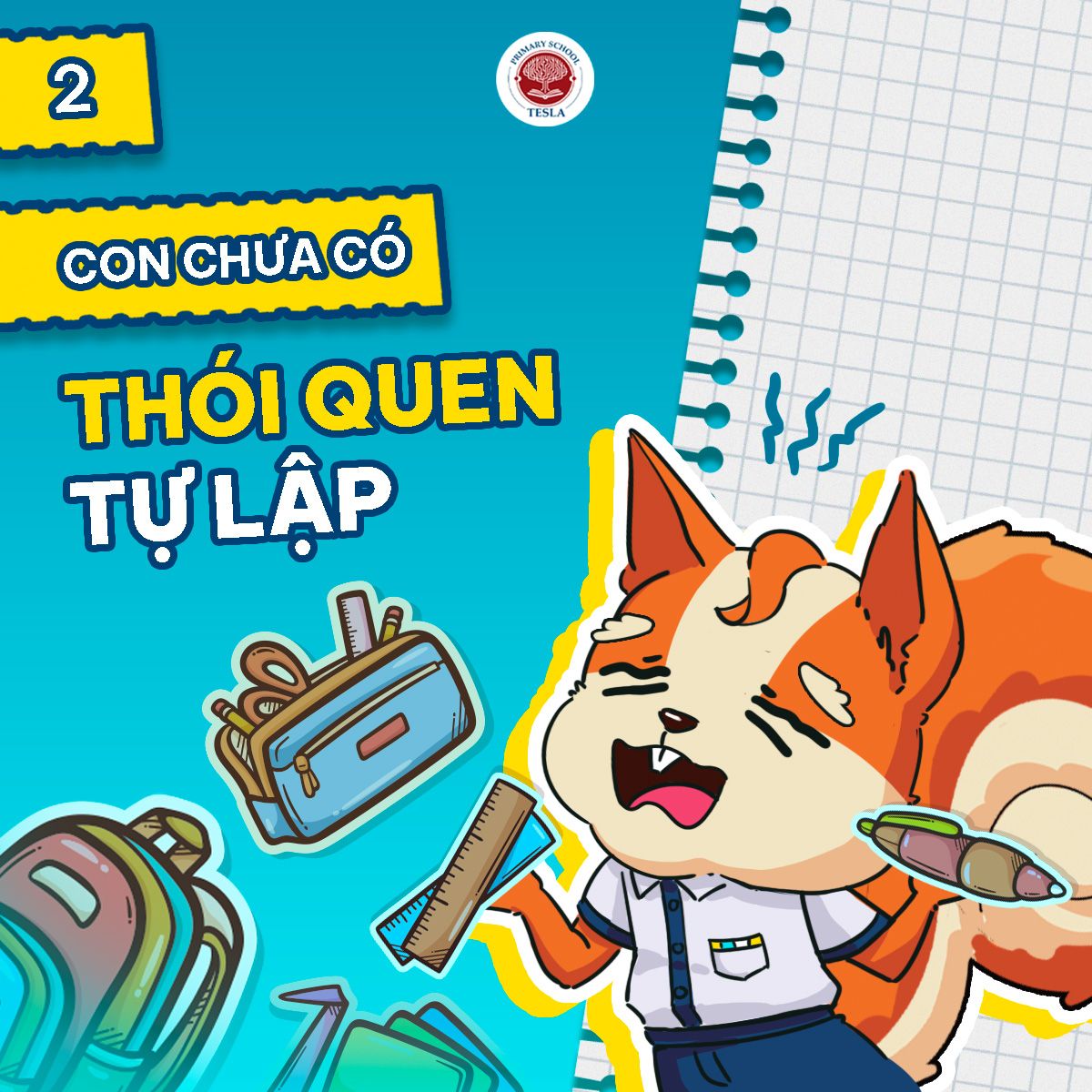
2. Limited Independence in Daily Tasks
Unlike preschool, primary school encourages children to become increasingly responsible for themselves and their belongings. Children are expected to manage basic routines independently, such as organizing school supplies, preparing personal items, and taking care of simple self-help tasks throughout the day.
If your child still relies heavily on adults for reminders or assistance with everyday responsibilities, they may initially feel overwhelmed by the increased expectations of a primary school setting. Developing independence early can greatly ease the transition and help children enter Grade 1 with confidence.
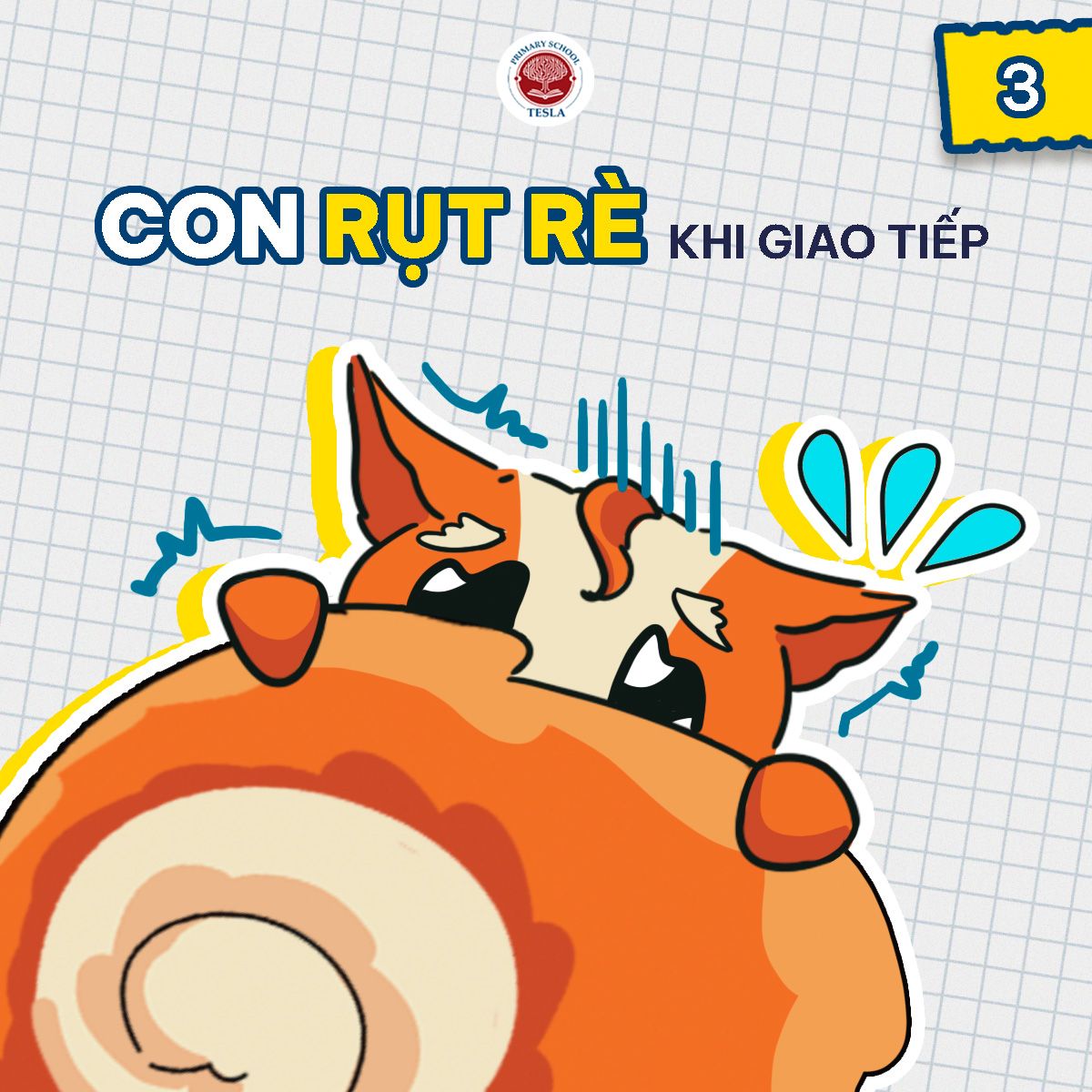
3. Hesitation in Communication and Social Interaction
Some children are naturally introverted or simply need more time to warm up to new people and situations. This is perfectly normal. However, if a child is extremely reluctant to communicate, rarely initiates conversations, struggles to express their needs, or finds it difficult to interact with peers and teachers, they may need additional support in building social confidence.
Communication skills are essential not only for making friends but also for expressing emotions, asking questions, seeking clarification, and requesting help when needed.
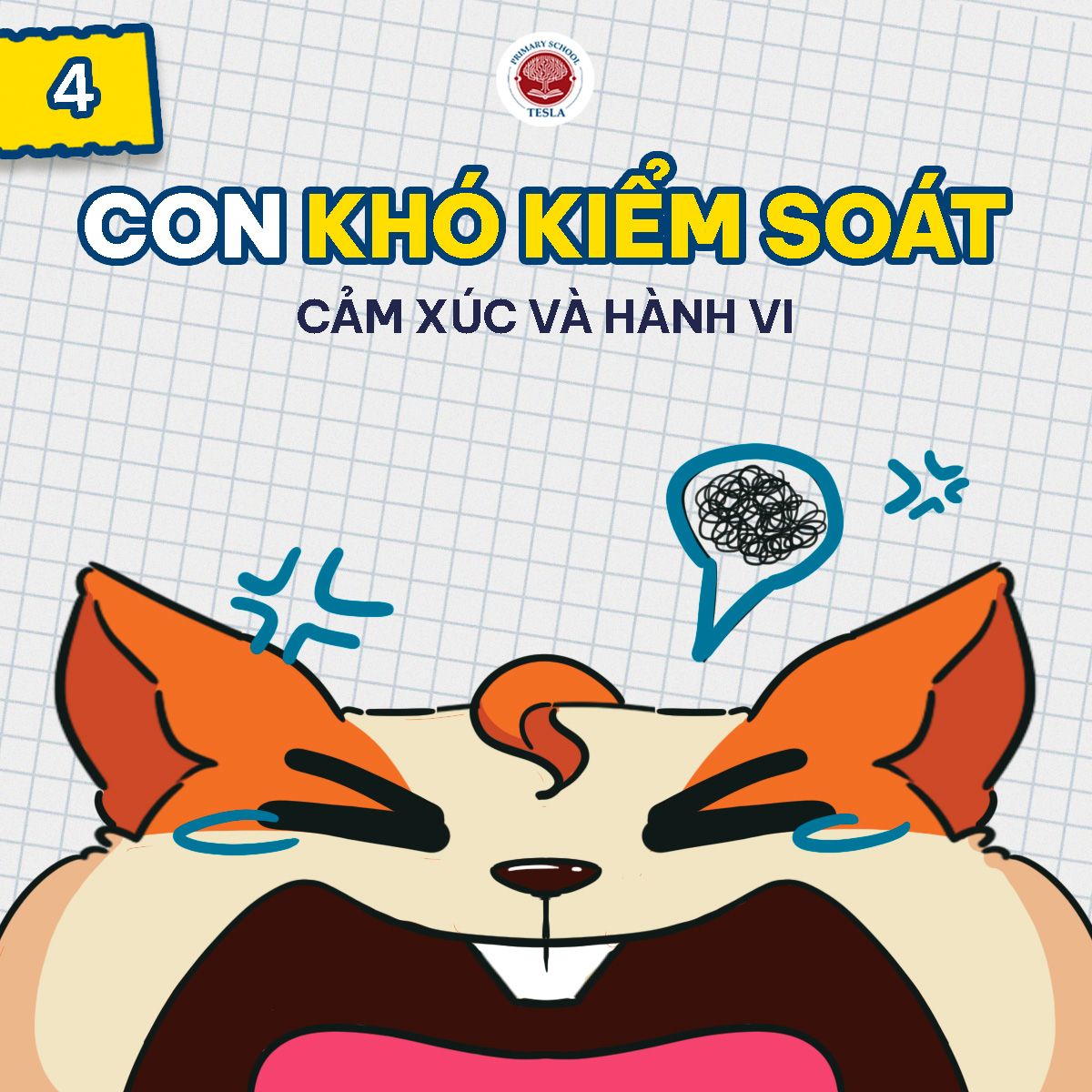
4. Difficulty Managing Emotions and Behavior
In the preschool years, it is common for children to become frustrated easily, struggle with waiting their turn, or react strongly when things do not go their way. As children enter Grade 1, they are expected to follow classroom rules, cooperate with others, manage disappointments, and regulate their emotions in a variety of situations.
Research has shown that emotional self-regulation is closely linked to both academic success and long-term social adjustment. Children who can manage their emotions effectively are often better equipped to navigate the challenges of school life.
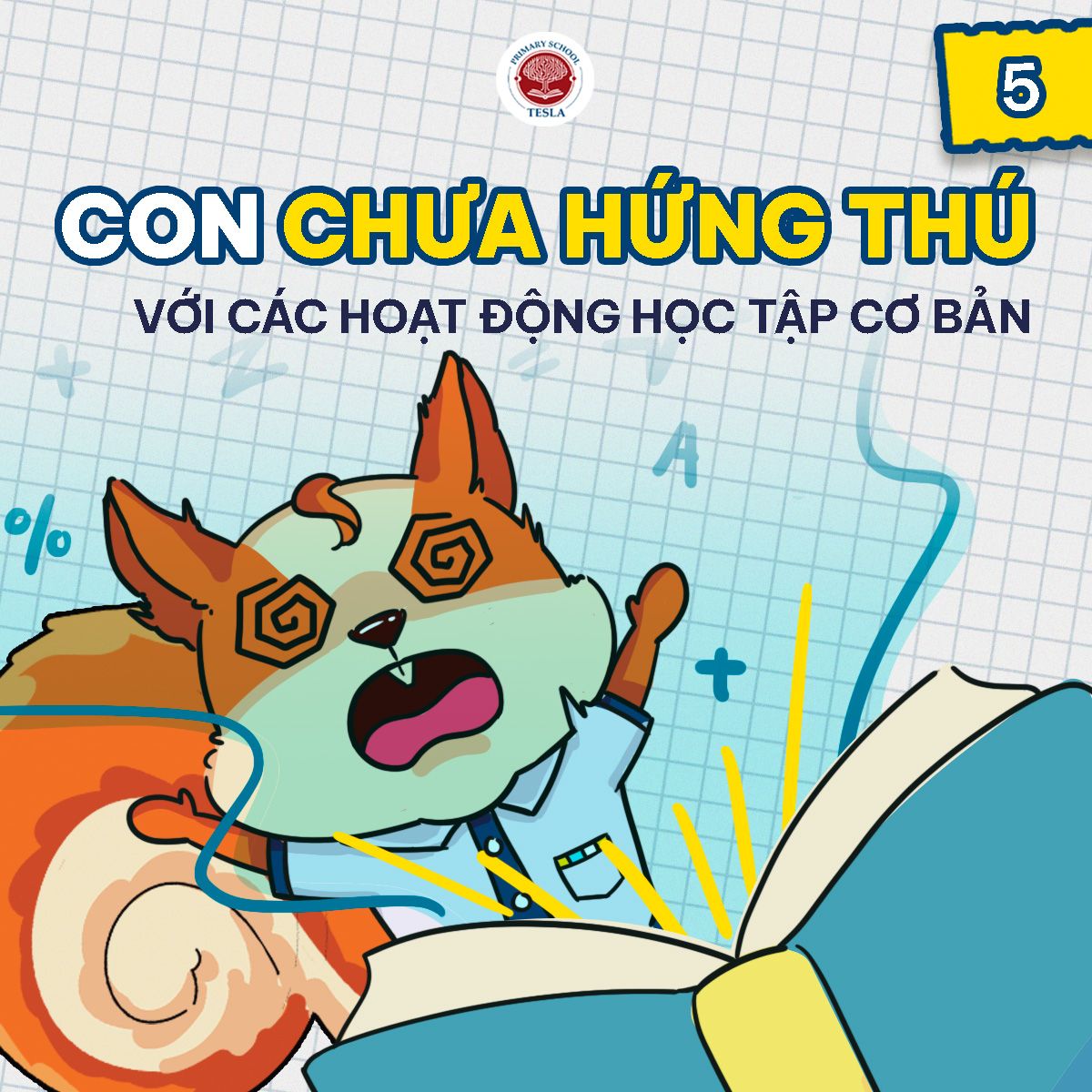
5. Showing Little Interest in Early Learning Activities
If your child shows little interest in books, letters, numbers, storytelling, or other age-appropriate learning activities, it may simply be a sign that they are not ready for formal schooling.
This does not mean your child is behind their peers. Every child develops at their own pace, and a genuine interest in learning is nurtured over time through positive experiences, encouragement, and opportunities to explore the world around them.
If your child shows some of the signs above, there is no need to worry. Every child’s journey is unique, and readiness cannot be measured by a single checklist. Rather than focusing on how much children know before they enter Grade 1, it is far more important to help them build confidence, independence, resilience, and a positive attitude toward learning.
After all, the transition to primary school is not about taking a test, it is about beginning a new adventure. And that journey becomes much more meaningful when children step into it feeling happy, confident, and ready to grow.

